Farmer Herders project in Jos North and Bassa LGAs Funded by King Abdullah Bin Abdul-Aziz International Centre for Interreligious and intercultural Dialogue (KAICIID), Vienna, Austria, 2018.
OUTCOME: The Farmers and Herders of Jos North and Bassa LGAs of Plateau State, now have an improved knowledge on how to settle their differences.
FULL REPORT
Report on Building Peace Between Farmers and Herders in Jos North and Bassa LGAs, Plateau State project
Project Year: 2018
Donor: King Abdullah Bin Abdul-Aziz International Centre for Interreligious and Intercultural Dialogue (KAICIID), Vienna, Austria
Implementing Organization: Unique Centre for Peacebuilding and Trauma Healing (UCPTH)
Location: Jos North & Bassa Local Government Areas, Plateau State, Nigeria
Background
In 2018, Plateau State experienced intense conflicts between farmers and herders, leading to distrust, hostility, and recurring attacks. Communities were deeply divided, and both groups were reluctant to interact, even for peace initiatives. The conflict created fear, sadness, and mistrust, threatening social cohesion and community stability. Recognizing the urgency Unique Centre for Peacebuilding and Trauma Healing (UCPTH)implemented a targeted peacebuilding project to restore communication, foster understanding, and equip community members with skills to prevent future conflicts.
Project Goal
To promote peaceful coexistence by building trust, improving communication, and strengthening local capacities to manage and prevent farmer–herder conflicts.
Objectives
- Facilitate dialogue and understanding between farmers and herders.
- Reduce hostility and build trust among community members.
- Strengthen community-led mechanisms for conflict prevention and resolution.
- Empower participants with skills in trauma healing, mediation, and collaborative problem-solving.
Activities Implemented
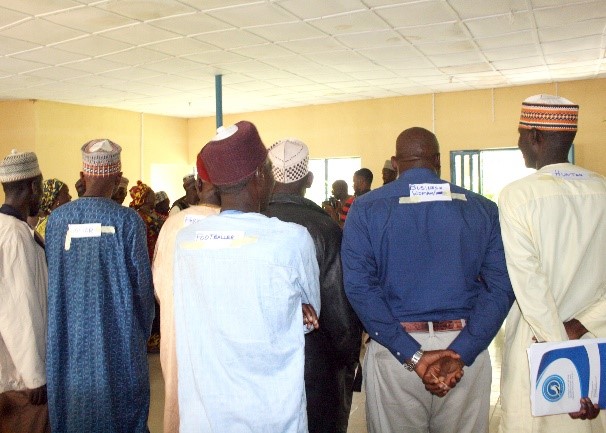
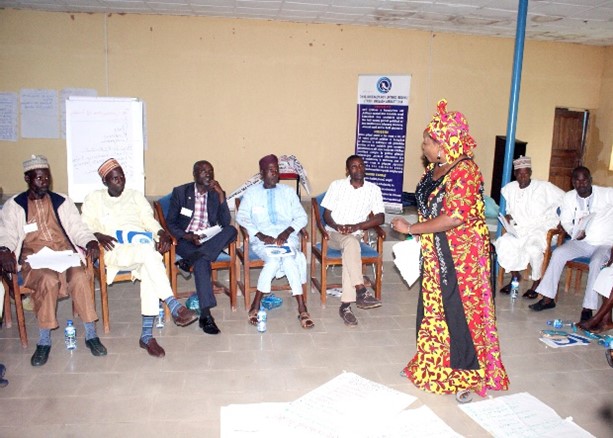
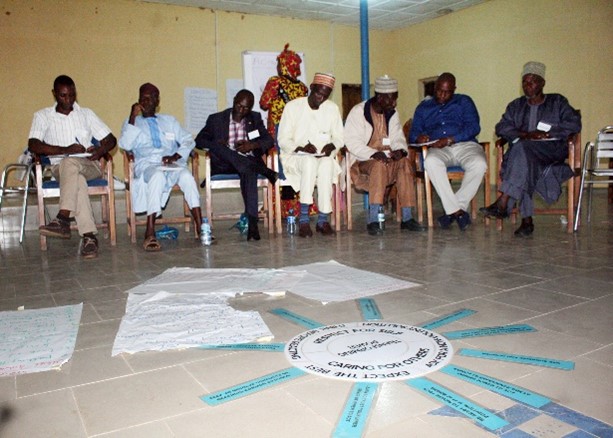
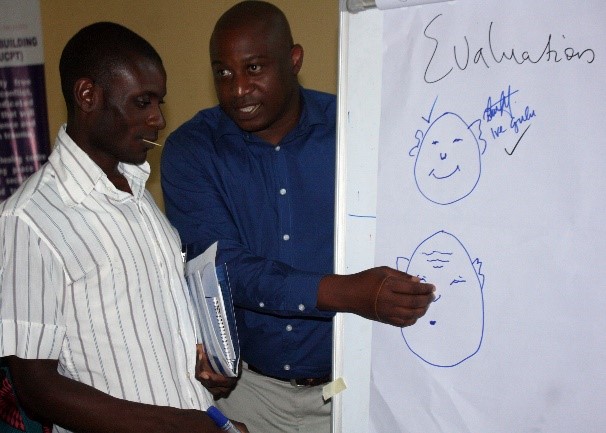
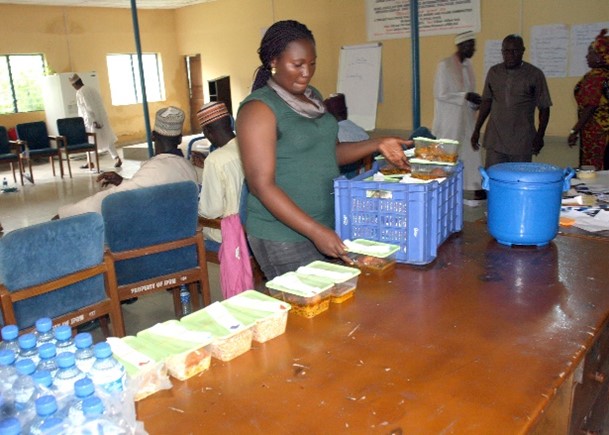
- Conducted a three-day peacebuilding workshop for farmers and herders.
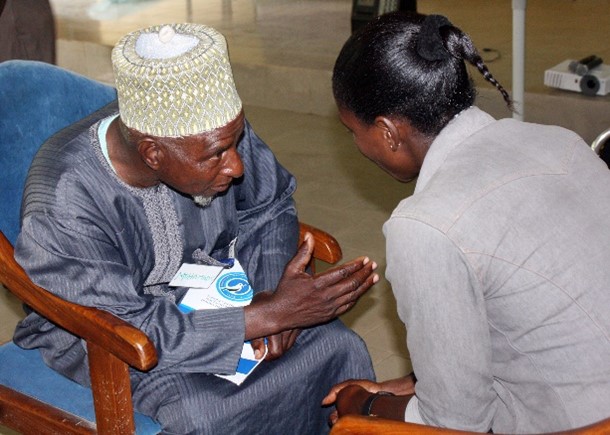
- Organized storytelling and trauma-sharing sessions to acknowledge pain and experiences.
- Facilitated trust-building exercises and dialogue circles to promote mutual understanding.
- Trained participants in conflict resolution, mediation, and early warning mechanisms.
- Created safe spaces for ongoing collaboration and joint community initiatives.
Observations at Project Start
At the beginning of the workshop, tensions were extremely high:
- Participants arrived on separate vehicles, refusing to mix.
- Farmers and herders sat on opposite sides of the hall, avoiding eye contact.
- Emotions of anger, sadness, and hatred were evident.
- Communication between the groups was almost non-existent.
Transformation Achieved
By the end of the three-day workshop:
- Participants were talking, hugging, and building trust.
- Individuals shared their experiences and recognized their shared humanity.
- Both groups committed to working together in their communities to prevent further conflict.
- Participants gained practical skills in dialogue, mediation, trauma healing, and early warning systems.
Success Story: Abubakar Ya’u & James Abraham
One remarkable story of reconciliation was between Abubakar Ya’u (herder) and JamesAbraham (farmer). Previously, they had been on opposing sides of the conflict and mistrusted each other deeply.
Through the workshop:
- They shared personal experiences and acknowledged the negative impact of ongoing violence.
- They reconciled and became close allies.
- Today, they work together actively to promote peace and reduce attacks in their communities, inspiring others to follow their example.
Key Achievements
- Restored communication and trust between farmers and herders.
- Reduced tension and suspicion in Jos North and Bassa LGAs.
- Strengthened community-led mechanisms for conflict resolution and early warning.
- Built participants’ skills in mediation, trauma healing, and collaborative problem-solving.
- Created role models who continue to promote peace and coexistence in their mmunities.
Community Impact
The project demonstrated that even deeply divided communities can reconcile when given structured dialogue, safe spaces, and practical tools. Communities reported:
- Improved relationships across groups.
- Increased willingness to engage in joint problem-solving.
- Reduced fear and hostility in neighborhoods affected by previous attacks.
Lessons Learned
- Safe, structured dialogue is crucial in conflict-prone environments.
- Youth and local leaders are key agents for sustaining peace.
- Trust-building exercises and trauma acknowledgment significantly enhance reconciliation.
- Success stories, like that of Abubakar and James, motivate wider community engagement.
Conclusion
The Farmer–Herder Peacebuilding Project in Jos North and Bassa demonstrated that peace is possible even in highly polarized contexts. Through dialogue, trust-building, and empowerment, communities were able to restore relationships, collaborate for safety, and reduce conflict.
Acknowledgment
Unique Centre for Peacebuilding and Trauma Healing (UCPTH) sincerely thank KAICIID Vienna, Austria for funding and technical support, enabling this transformative project. The commitment to dialogue, understanding, and peaceful coexistence continues to inspire lasting change in Plateau State.