Strengthening Interfaith Voices Against Hate Speech (SIVAH) First Phase, implemented in Bassa, Jos North, Jos South and Ryom LGAs Plateau State, Kaura, Zangon Kataf LGAs in Kaduna State Funded by King Abdullah Bin Abdul-Aziz International Centre for Interreligious and intercultural Dialogue (KAICIID), Vienna, Austria, 2019.
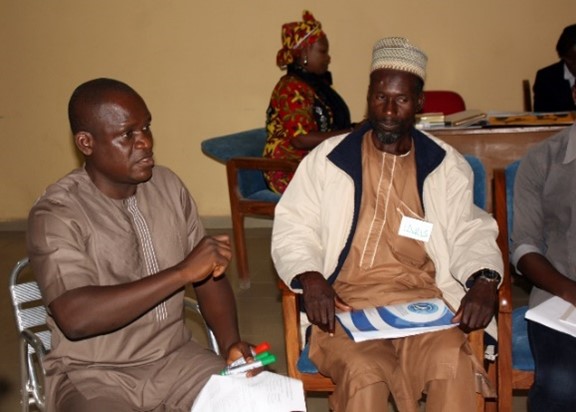
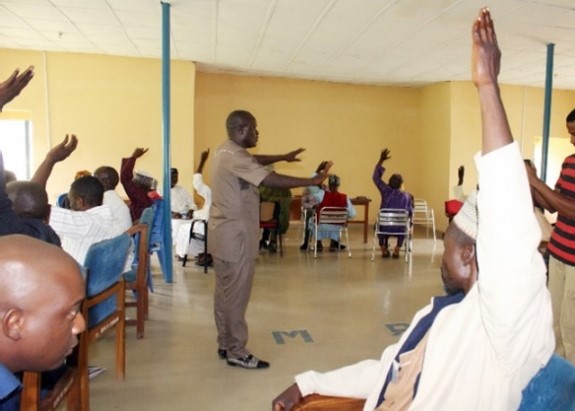
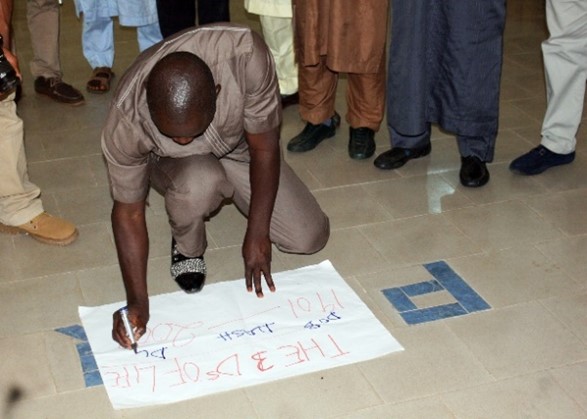
OUTCOME: Religious leader’s capacity is built to manage and communicate well to their members in order to ensure peaceful coexistence in the society
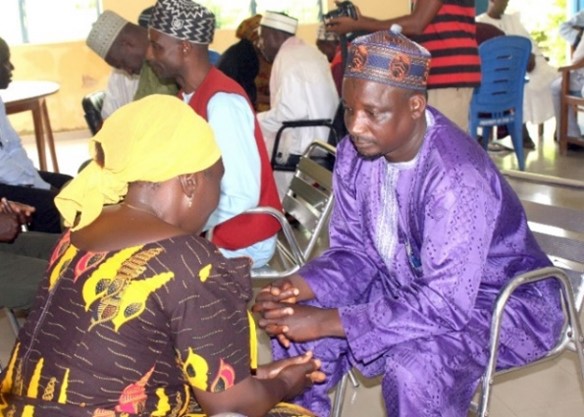
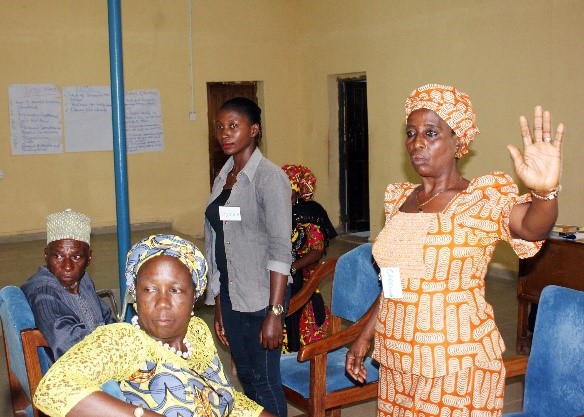
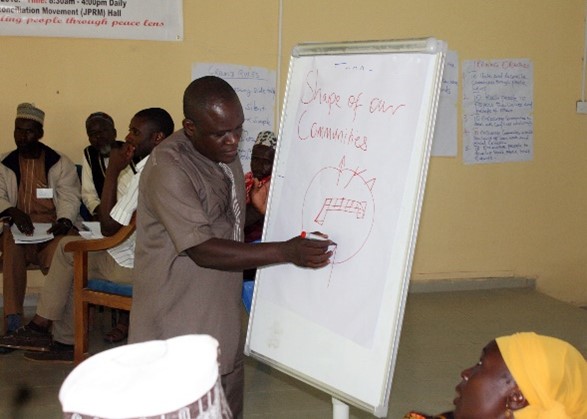
FULL REPORT
SIVAH Project Report: Strengthening Interfaith Voices Against Hate Speech
Project Year: 2019
Project: Strengthening Interfaith Voices Against Hate Speech (SIVAH) – Phase 1
Location: Kaduna State (Chikun, Jama’a, Kaura, Kajuru, Zangon Kataf) & Plateau State (Bassa, Bokkos, Jos North, Jos South, Riyom LGAs)
Implementing Organization: Unique Centre for Peacebuilding and Trauma Healing (UCPTH)
Donor/Technical Partner: King Abdullah Bin Abdullaziz Centre for intercultural and Interreligious Dialogue (KAICIID), Vienna, Austria.
Project Overview
In 2019, Unique Centre for peacebuilding and Trauma Healing (UCPTH) implemented the first phase of the SIVAH Project, aimed at combating hate speech and fostering interfaith dialogue in ten LGAs across Kaduna and Plateau States. The project focused on building interfaith networks, strengthening community voices, and reducing tensions fueled by divisive narratives.
Through community dialogues, exchange visits, and training sessions, religious leaders, youth, and other stakeholders were empowered to take proactive action against hate speech and promote peaceful coexistence.
Challenges and How They Were Addressed
Insecurity
- Many of the LGAs were under attacks during the project, leading to loss of lives and destruction of property, making implementation difficult.
- Solution: LGAs chairmen provided security support to ensure participants’ safety. Community gatekeepers mobilized participants and educated them on the project’s importance, allowing activities and exchange visits to proceed safely.
Mistrust Among Participants
- During exchange visits, participants were reluctant to leave their LGAs or interact with people from other communities due to past conflicts.
- Solution: Community mobilizers and trained stakeholders encouraged participation, and with the support of LGAs chairmen, some participants were successfully moved for the exchange visits.
Monitoring and Evaluation Challenges
- The M&E officer had difficulty accessing participants for field evaluation due to security and mobility restrictions, which delayed reporting.
- Solution: Participants who were trained earlier provided support and guidance to the M&E officer, enabling evaluation activities to be completed.
Lessons Learned
Positive Lessons
- Many participants gained a new perspective by sharing experiences and visiting other LGAs for the first time.
- Most participants had never visited churches or mosques of other faiths; the project allowed them to break stereotypes and build trust.
- Exchange visits and interfaith dialogues opened avenues for communication, understanding, and reconciliation.
Challenges Highlighted
- Deep mistrust and fear initially limited participation.
- Security concerns delayed implementation timelines.
Success Stories
Faith Leaders Breaking Barriers
During an exchange visit, Imam Suleiman from Kaura and Pastor Daniel from Bassa met for the first time. Initially hesitant to interact, they shared experiences of community tensions and agreed to co-lead peace messages in their LGAs. Today, both religious leaders regularly collaborate to prevent escalation of conflicts and promote interfaith dialogue in their communities.
Youth Champions for Peace
A group of youth participants, previously divided along religious lines, worked together during the project to create community awareness campaigns about the dangers of hate speech. Their coordinated efforts reduced rumors and tension between communities and inspired other youths to participate in dialogue initiatives.
Key Achievements
- Strengthened interfaith networks in 10 LGAs across Kaduna and Plateau States.
- Trained over 300 participants in recognizing and countering hate speech.
- Promoted collaboration between religious leaders, youth, and local authorities.
- Enabled communities to de-escalate tensions and engage in dialogue.
Conclusion
Phase 1 of the SIVAH Project successfully demonstrated that structured interfaith dialogue, exchange visits, and community engagement can combat hate speech and foster lasting peace. Despite challenges of insecurity and mistrust, participants experienced transformative interactions that continue to strengthen collaboration, trust, and peaceful coexistence across Kaduna and Plateau States.
Acknowledgment
Unique Centre for Peacebuilding and Trauma Healing wish to thank KAICIID Vienna, Austria for supporting this project, enabling communities to break barriers, reduce hate speech, and build bridges of understanding between faith groups.
Social Media
United Voices Against Hate Speech!
In 2019, Unique Centre for Peacebuilding and Trauma Healing (UCPTH) launched SIVAH across Kaduna & Plateau States—training religious leaders, youth, and communities to recognize and fight hate speech.
Impact:
- 300+ participants trained
- Stronger interfaith networks
- Communities working together to reduce tensions
- Real success stories of dialogue transforming lives
Peace is louder than hate. Together, we are building united communities!
#PeaceBuilding #InterfaithDialogue #SIVAH #CommunityCohesion #Kaduna #Plateau #StopHateSpeech
Interfaith Peace Dialogue & Cultural Reorientation for Tertiary Students in Kaduna and Plateau States
Project Year: 2020
Location: Kaduna and Plateau States
Implementing Organization: Unique Centre for Peacebuilding and Trauma Healing (UCPTH)
Donor/Technical Partner: King Abdullah Bin Abdullaziz Centre for intercultural and Interreligious Dialogue (KAICIID), Vienna, Austria.
Project Overview
In 2020, Unique Centre for Peacebuilding and Trauma Healing (UCPTH) implemented a transformative project to promote interfaith understanding and cultural reorientation among tertiary institution students in Kaduna and Plateau States. The initiative aimed to change the culture of violence prevalent in students’ communities by fostering dialogue, sharing experiences, and strengthening appreciation for different faiths and cultures.
Students from multiple institutions participated in exchange visits, storytelling sessions, and interfaith dialogues designed to break stereotypes, build empathy, and encourage peaceful coexistence.
Objectives
- Promote interfaith understanding among tertiary students.
- Change the culture of violence and reduce intercommunal hatred.
- Strengthen students’ appreciation for diverse cultures and religions.
- Encourage collaboration and dialogue across institutions and faiths.
Impact & Achievements
- Students gained deeper understanding of other religions and cultural practices.
- Significant reduction in hostile attitudes and negative stereotypes among participants.
- Strengthened faith-based collaboration and dialogue networks across campuses.
- Participants reported improved relationships with peers from different faiths.
- Many students became peace ambassadors, actively promoting non-violence in their communities.
- Exchange visits allowed students to share personal experiences and learn from others’ perspectives, fostering empathy and mutual respect.
Success Stories
- Students from Kaduna and Plateau institutions who previously avoided interaction now co-lead dialogue forums on campuses.
- Participants reported that the project changed their perception of other faiths, helping them engage in constructive conversations instead of conflict.
Conclusion
The project demonstrated that interfaith dialogue and cultural reorientation can transform young minds, reduce hostility, and foster peaceful, tolerant communities. It created a generation of student peace ambassadors committed to bridging divides and promoting harmony.
Social Media-Friendly Version
Students Bridging Divides!
In 2020, Unique Centre for Peacebuilding and Trauma Healing (UCPTH)brought students from Kaduna & Plateau States together for interfaith dialogue and cultural reorientation. Through exchange visits, storytelling, and dialogue, students learned to appreciate other faiths, break stereotypes, and promote peace.
Impact:
- Changed hostile attitudes
- Built interfaith collaboration networks
- Developed student peace ambassadors
Peace begins with understanding!
#PeaceBuilding #InterfaithDialogue #YouthLeadership #CulturalReorientation #Kaduna #Plateau #StudentPeaceAmbassadors
SIVAH Project Phase 2: Strengthening Interfaith Voices Against Hate Speech Report
Project Year: Phase 2 – (Year of Implementation)
Location: Plateau State (Bassa, Jos North, Jos South, Ryom, Wase) & Kaduna State (Jama’a, Kachia, Kajuru, Kaura, Zangon Kataf)
Implementing Organization: Unique Centre for Peacebuilding and Trauma Healing (UCPTH)
Donor Organization: King Abdullah Bin Abdul-Aziz International Centre for Interreligious and Intercultural
Project Overview
Phase 2 of the SIVAH Project continued the mission of promoting peace, dialogue, and understanding between faith communities in Plateau and Kaduna States. The project focused on reducing hate speech, building interfaith collaboration, and empowering communities to respond peacefully to tensions.
Through training sessions, community dialogues, and exchange visits, religious leaders, youth, and local influencers were equipped with tools to recognize and counter divisive narratives, strengthen trust, and foster unity.
Impact & Achievements
- Strengthened interfaith networks across 10 LGAs.
- Over 350 participants trained in peace messaging and countering hate speech.
- Communities now engage in dialogue instead of confrontation during tensions.
- Youth and religious leaders have become champions of peace, sharing positive narratives.
- Exchange visits allowed participants to share experiences and build trust beyond their localities.
Success Story
During an exchange visit, youths from Jos North and Kaura collaborated to debunk rumors circulating in their communities, preventing potential conflicts. Their teamwork inspired other young people to take active roles in promoting peaceful coexistence.
Conclusion
Phase 2 of SIVAH demonstrated that interfaith collaboration and community empowerment can effectively reduce hate speech, strengthen social cohesion, and foster lasting peace across diverse communities.